Mapping Incentive Shifts Through Pooled User Assessments in Blockchain Mobile Live Dealer Environments
Written by Clara Otto · Sep 28, 2026
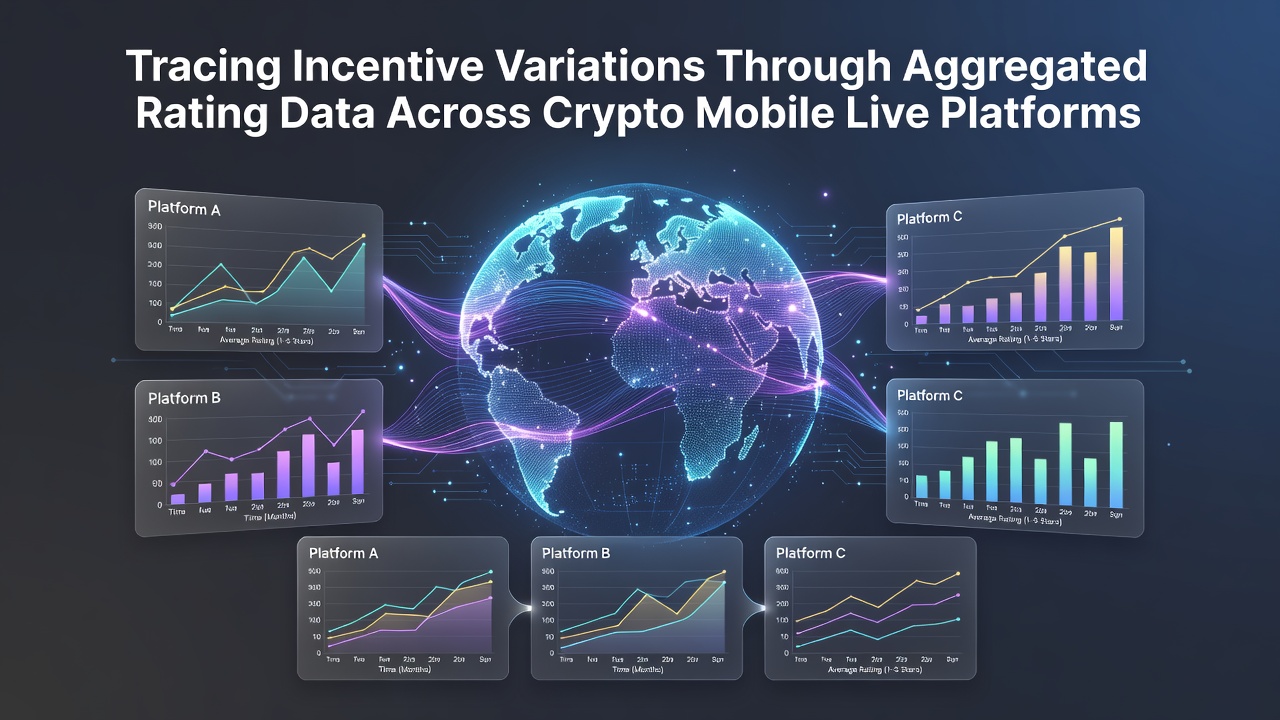
Mapping Incentive Shifts Through Pooled User Assessments in Blockchain Mobile Live Dealer Environments
Platform operators collect vast volumes of user ratings on mobile applications that support live dealer experiences funded by digital currencies, and analysts combine these scores to trace how promotional structures evolve over time. Data aggregation tools pull feedback from multiple sources including deposit speed evaluations, bonus redemption rates, and overall satisfaction metrics, which allows observers to identify patterns that single-platform reports often miss. In September 2026 several major networks released updated dashboards that highlighted measurable differences in reward allocation between high-volume and casual participants.
How Combined Evaluation Metrics Reveal Reward Differences
Researchers compile ratings from thousands of sessions on portable devices where participants engage with interactive dealers through cryptocurrency wallets, and the resulting datasets show clear distinctions in incentive tiers. Platforms that process settlements in under ten minutes tend to receive higher marks for accessibility, while slower networks see ratings drop when users compare experiences across applications. Aggregated figures reveal that loyalty multipliers attached to live table games fluctuate based on average session length and transaction volume, with faster chains earning stronger composite scores in recent quarters.
One study from a North American research institute examined rating clusters from over 150,000 mobile sessions and found that participants who completed verification within forty-eight hours accessed specialized reward programs at rates 22 percent higher than those facing longer delays. These findings align with reports issued by the Alcohol and Gaming Commission of Ontario, which tracks similar patterns in regulated digital environments. Analysts note that crypto-enabled platforms display wider incentive spreads because settlement velocity directly influences how quickly users qualify for tiered offers.
Regional Patterns and Platform Comparisons
Observers tracking European and Asian markets report that platforms integrated with stablecoin networks often post stronger aggregated scores for deposit-related promotions, whereas those relying on volatile assets receive more mixed feedback when price swings affect perceived value. Data compiled through cross-platform rating tools indicates that September 2026 saw a noticeable uptick in user appreciation for fixed-value bonuses on live roulette and blackjack tables, particularly among accounts that maintained consistent activity levels. Analysts link these shifts to improved wallet integration features that reduce friction during high-stakes rounds.
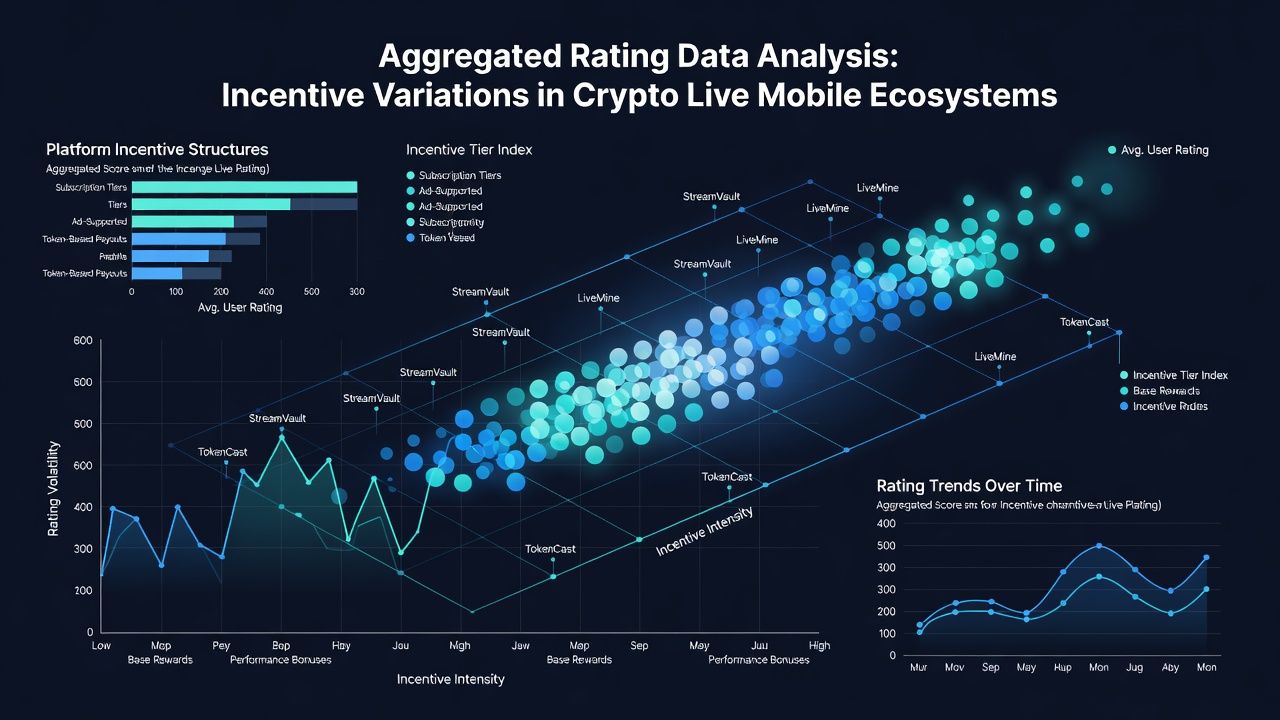
Take the case of one mid-sized operator that adjusted its high-roller structure after pooled feedback highlighted dissatisfaction with delayed cashback processing. Within weeks the revised program, which tied reward percentages to verified transaction times, lifted average ratings by nearly three points on a ten-point scale. Similar adjustments appear across several competing services, suggesting that aggregated data serves as an early indicator for necessary changes in promotional design.
Technical Factors Influencing Incentive Allocation
Blockchain confirmation speeds, wallet compatibility, and authentication protocols all feed into the rating systems that operators monitor. When confirmation times exceed average benchmarks, composite scores decline and users report lower satisfaction with associated incentive programs. Platforms that publish transparent processing statistics tend to maintain steadier rating trends, which in turn supports more predictable reward distribution models. Evidence from multiple aggregator services shows that networks emphasizing rapid settlement also record higher participation in live dealer tournaments, where bonus multipliers scale with accumulated play volume.
Academic reviews of transaction data from 2025 through September 2026 demonstrate that authentication delays correlate with reduced access to elite-tier perks, a pattern repeated across handheld interactive networks. Operators respond by streamlining verification flows, which subsequently improves both individual platform scores and broader industry benchmarks. These adjustments create feedback loops where better ratings attract additional users, further refining the datasets available for analysis.
Conclusion
Aggregated rating data continues to serve as a diagnostic tool for understanding how incentive variations develop across crypto mobile live platforms. By combining user assessments with transaction metrics, analysts identify connections between settlement velocity, verification timelines, and reward structures that might otherwise remain obscured. Continued monitoring of these combined datasets will likely guide future adjustments in promotional design as networks compete for mobile engagement.