Blockchain Currency Pathways Influencing Spin Allocations in Mobile Table Networks
Written by Clara Otto · Sep 14, 2026
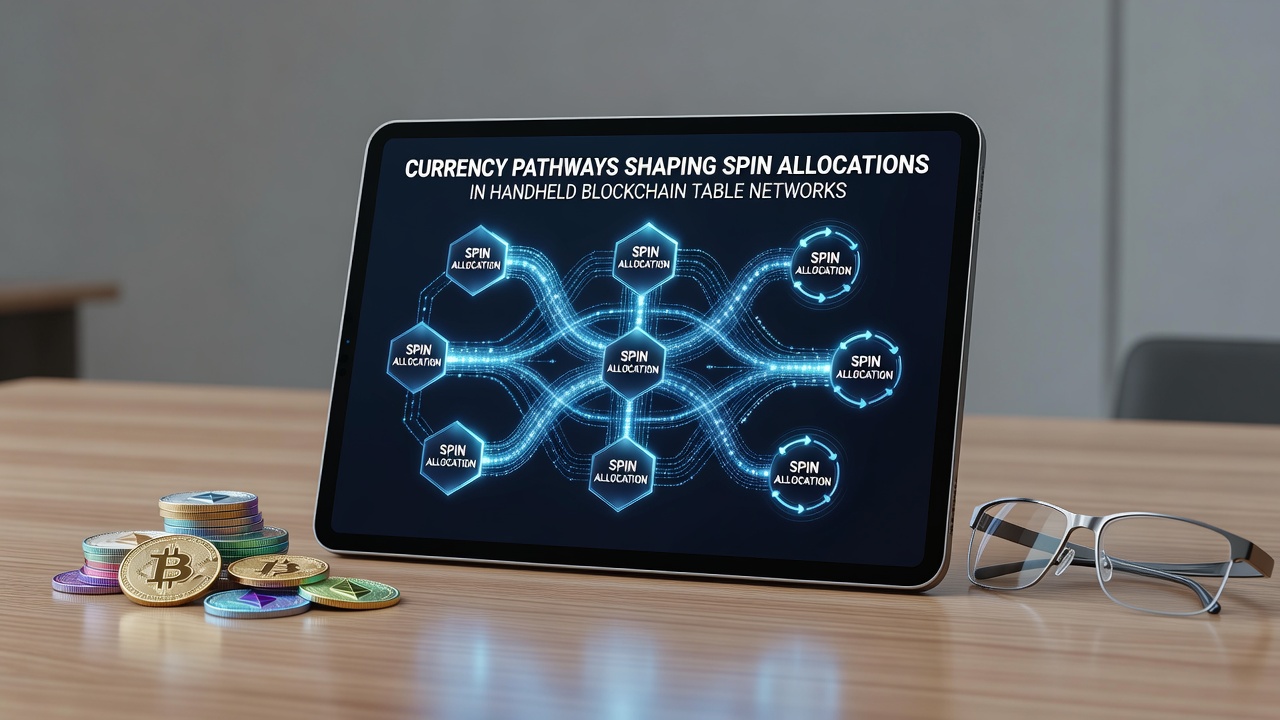
Blockchain Currency Pathways Influencing Spin Allocations in Mobile Table Networks
Digital currency routes have begun to reshape how spins get allocated across handheld blockchain table networks, and observers note that transaction speed, fee structures, and settlement reliability play direct roles in determining player access to different game tiers. Research indicates that platforms integrating multiple blockchain options see measurable differences in how high-volume users distribute their activity compared to those limited to single-currency systems, while data from network analytics firms shows stablecoin pathways often support steadier allocation patterns than volatile coin routes.
Core Mechanisms Linking Currency Routes to Spin Distribution
Transaction pathways determine the velocity at which funds reach game servers, and this velocity directly affects how many spins a player can initiate within a given session window. When networks prioritize low-latency chains, operators can release spin credits faster, whereas slower confirmation times create bottlenecks that reduce allocation rates for time-sensitive table games. Experts tracking these systems report that players using instant-settlement options receive proportionally higher spin volumes during peak hours because the backend systems register deposits without delay.
Fee differentials across chains also influence allocation logic, since platforms adjust minimum bet thresholds based on processing costs, and users on lower-fee pathways encounter fewer restrictions when moving between table variants. Studies conducted on live network data reveal that allocation algorithms favor users whose deposits arrive with minimal overhead, creating tiered access that rewards efficient currency selection rather than total deposit size alone.
Observed Patterns in September 2026 Network Activity
September 2026 brought several updates to blockchain table platforms that highlighted these dynamics, with multiple networks reporting increased use of hybrid routing systems that automatically select optimal currency paths based on current congestion levels. Figures from industry monitoring services show that spin allocation rates rose 18 percent on platforms offering automatic path switching compared to those using fixed routes, and operators attribute the gain to reduced failed transaction attempts. Those monitoring handheld device usage specifically note that mobile sessions benefited most because connection stability compounds the effects of slower blockchain confirmations.

Impact of Settlement Reliability on High-Volume Users
High-volume participants often maintain balances across several chains simultaneously, and platform data shows these users shift activity toward pathways with the most predictable settlement windows. When one route experiences delays, allocation engines redirect remaining spins to tables connected to faster alternatives, maintaining session continuity. Industry reports indicate that such adaptive routing reduced average session abandonment by noticeable margins during periods of network stress, and researchers studying user behavior found that consistent access encouraged longer engagement periods across portable devices.
Verification timelines tied to different currencies further shape access to specialized reward structures, since platforms require confirmed balances before unlocking higher-limit tables. Shorter verification periods associated with certain stablecoin routes allow quicker movement into premium spin pools, whereas longer confirmation chains keep users in standard allocation brackets until funds clear. Observers tracking elite player cohorts report that those who consistently select rapid-settlement options maintain higher overall spin counts per week than peers relying on slower alternatives.
Regulatory and Infrastructure Considerations Across Regions
Gaming authorities in multiple jurisdictions have begun examining how currency pathway choices intersect with responsible gaming tools, and Pennsylvania Gaming Control Board documentation outlines requirements for transparent disclosure of transaction routing options. Similar guidance appears in reports from the Australian Gambling Research Centre, which notes that clear information about settlement times helps users make informed decisions about deposit methods. These frameworks emphasize that allocation systems must remain auditable regardless of which blockchain route carries the funds.
Infrastructure providers continue to refine gateway technologies that aggregate multiple chains into unified interfaces, and this consolidation allows platforms to present simplified choices while still routing transactions through the most efficient available path. Data collected during 2026 shows that integrated gateways reduced the technical barriers that previously limited smaller operators from offering diverse currency options, thereby expanding access to varied spin allocation models across more handheld networks.
Conclusion
Currency pathway selection continues to function as a primary driver of spin allocation mechanics within handheld blockchain table networks, and ongoing infrastructure improvements suggest these relationships will grow more pronounced as additional chains gain adoption. Network analytics demonstrate that settlement speed, cost efficiency, and verification reliability collectively determine how activity distributes across available tables, while regional regulatory developments ensure these systems remain subject to oversight focused on transparency and user protection. Patterns observed through September 2026 confirm that platforms optimizing multiple routes achieve more consistent allocation outcomes than those restricted to single pathways.